Sanitation Market System Development
At Water For People India, we are redefining the way sanitation services are delivered by making them easily accessible, sustainable, and market-driven. Through a circular economy approach, we ensure that sanitation is not just about waste management but also about creating value for communities, businesses, and the environment.
We promote decentralized treatment systems such as Faecal Sludge Treatment Plants (FSTPs) that convert waste into reusable resources like organic compost and treated water, supporting agriculture and reducing pollution. By integrating digital platforms and mobile apps, we connect households with service providers for toilet construction, maintenance, and pit emptying, making sanitation more efficient and user-friendly. Our model also fosters local entrepreneurship and public-private partnerships, encouraging innovation and business development in the WASH sector. Through this holistic approach, we not only improve sanitation access but also build resilient systems that benefit people and the planet.

Driving Sustanibility through Circular Economy
Estimate Annual Nutrient Loads in Surface Water
We are creating one-stop platforms where individuals and communities can conveniently access sanitation-related products and services, including toilet construction, regular maintenance, and pit emptying. These platforms act as local service hubs—integrated with mobile apps and digital tools—that connect users with verified providers. This streamlined approach enhances service delivery, reduces delays, and makes it easier for people to maintain hygienic sanitation conditions. By simplifying access and supporting local entrepreneurs, these platforms are transforming sanitation from a challenge into a reliable, user-friendly service.
Turning Waste into Value: FSTPs and Market Linkages
Our circular economy model ensures that waste becomes a valuable resource. Fecal Sludge Treatment Plants (FSTPs) are established to convert collected waste into high-quality agricultural products like organic compost and liquid soil enhancers. These products are then marketed and distributed through partnerships with Farmer Producer Organizations (FPOs) and Points of Presence (PoPs), closing the loop between sanitation services and sustainable agriculture. This market-driven ecosystem ensures a steady demand for treated outputs, supports farmer livelihoods, and reinforces the economic viability of sanitation infrastructure for the long term.
Transforming waste into Resources
Rethinking Wastewater: A Resource in Disguise
Traditionally seen as a by-product to be discarded, wastewater is now being reimagined as a potential resource. With innovations such as ceramic membrane filtration and the Black2Blue wastewater reuse system, treated wastewater can be safely repurposed for sanitation, agriculture, and industrial use. These technologies not only reduce treatment costs but also support sustainable urban development by conserving freshwater and minimizing environmental impact.
Driving Circular Solutions Through Innovation
Modern wastewater management goes beyond treatment—it focuses on creating circular systems that reclaim, reuse, and regenerate. Decentralized treatment units, AI-driven monitoring tools, and nature-based solutions like constructed wetlands enable localized water reuse while recovering energy and nutrients. These forward-thinking approaches align with national missions like AMRUT 2.0 and Jal Shakti Abhiyan, empowering communities to turn waste into wealth and build resilient water infrastructure.
Making Sanitation Easy & Accessible
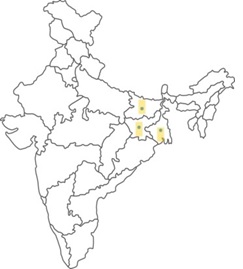
WASH Market Development in West Bengal and Jharkhand:
- Local entrepreneurs are trained and equipped to deliver sanitation and waste management services effectively.
- The initiative focuses on expanding access to reliable sanitation solutions in both rural and urban areas. velit
- Supporting local providers not only improves WASH services but also creates livelihood opportunities and boosts local economies.
- Market-based models ensure the long-term viability and scalability of sanitation services in the region.
- Efforts are directed toward building robust supply chains for Faecal Sludge Management (FSM) and Solid and Liquid Waste Management
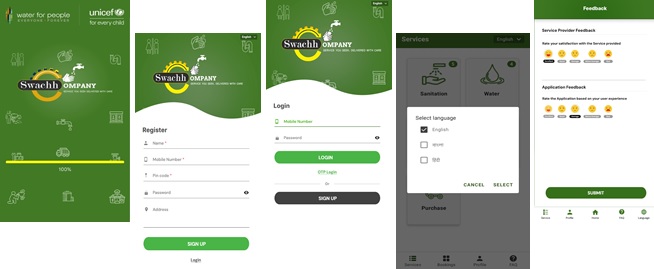
Swachh Company Mobile Application
The Swachh Company Mobile Application is a digital one-stop platform designed to seamlessly connect Points of Purchase (PoPs) with sanitation service providers. It enables users to easily access a wide range of services including pit emptying, toilet construction, and containment solutions, all through a simple mobile interface. By digitizing the sanitation service landscape, the app enhances transparency, improves response times, and empowers both consumers and service providers with real-time access to information.
The platform also supports service scheduling, real-time tracking, and digital payments, ensuring convenience and accountability. Service providers benefit from increased visibility and streamlined operations, while communities enjoy timely, safe, and efficient sanitation services. Ultimately, the Swachh Company app plays a key role in building a smarter sanitation ecosystem, fostering a data-driven approach to service delivery and helping scale WASH solutions across urban and rural India.

Community Toilet Solutions :
Community Toilet Solutions are a vital part of our mission to provide safe and accessible sanitation in densely populated urban and peri-urban areas. A leading example is the Duttabad Community Toilet in Kolkata, West Bengal, which serves over 400 users daily through a self-sustaining operational model supported by the local government. This facility is not just a sanitation unit—it’s a model of innovation, combining user-centered design, efficient management, and an innovative financial mechanism that helps recover capital and operational costs over time.
These community toilets are maintained through a mix of user fees, local authority support, and community-based management, ensuring cleanliness, functionality, and long-term sustainability. In addition to basic toilet facilities, many units are equipped with handwashing stations, child-friendly features, and provisions for menstrual hygiene management. By addressing both infrastructure and operational challenges, these models demonstrate how public-private-community partnerships can deliver inclusive, dignified, and sustainable sanitation services in high-demand areas.
DRIVING SUSTAINABILITY THROUGH CIRCULAR ECONOMY
Transforming Waste into Resources:
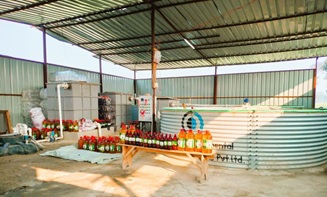
Our Fecal Sludge Treatment Plants (FSTPs) in Muzaffarpur and Digambarpur play a critical role in the circular economy by converting fecal sludge into organic fertilizers. This process not only reduces environmental hazards but also creates valuable inputs for the agricultural sector. Farmers benefit from these high-quality fertilizers that improve soil health and boost crop yields, thereby enhancing agricultural productivity and local economies.
Creating a Market for Treated By-Products:
Through strategic partnerships with Farmer Producer Organizations (FPOs) and Points of Purchase (PoPs), we ensure that organic compost and liquid soil enhancers reach farmers directly. By doing so, we promote environmentally friendly farming practices and support the broader adoption of sustainable agricultural techniques. This market-driven approach encourages local entrepreneurship and innovation, ensuring a steady demand for treated by-products.
Expanding Impact Through Community Engagement:
We work closely with local communities to raise awareness about the benefits of using recycled nutrients and sustainable waste management techniques. Training and capacity-building initiatives are conducted to equip farmers with the necessary skills to integrate these organic inputs into their farming practices effectively. This empowers communities to manage resources more efficiently and to contribute actively to the circular economy.
Enhancing Environmental and Economic Resilience:
Our initiatives not only address waste management challenges but also contribute to reducing the carbon footprint by minimizing chemical fertilizer use and waste-related emissions. The sustainability model is designed to support long-term environmental health while generating economic benefits. By investing in technology and infrastructure, and leveraging data-driven insights, we continue to refine our processes, ensuring that every component of the waste-to-resource chain contributes effectively to a resilient and sustainable ecosystem.


INNOVATIONS IN WASTEWATER MANAGEMENT
Ceramic Membrane Technology
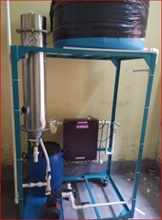
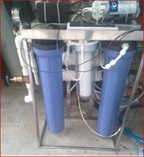
An advanced filtration solution that utilizes porous ceramic materials to remove impurities from wastewater. This technology ensures higher durability, chemical resistance, and enhanced filtration efficiency, enabling the safe reuse of treated water for sanitation and industrial applications. It significantly reduces operational costs and contributes to circular water systems.
Black2Blue Wastewater Reuse Innovation
A revolutionary wastewater treatment solution designed to reduce filtration costs by up to 80%. Black2Blue supports decentralized wastewater treatment, making it ideal for urban and peri-urban settings. It aligns with national initiatives like AMRUT 2.0 and the Jal Shakti Abhiyan, helping municipalities and local bodies manage water resources sustainably.
Smart Decentralized Treatment Units
Modular, compact wastewater treatment systems tailored for rural and semi-urban communities. These plug-and-play units require minimal maintenance and can be rapidly deployed in schools, public toilets, and small residential clusters, promoting localized water reuse.
Bio-Enzyme-Based Treatment
An eco-friendly approach using naturally occurring enzymes and microbes to break down organic waste in sewage. This method reduces dependency on harsh chemicals and enhances the biodegradability of wastewater, contributing to cleaner effluents and healthier aquatic ecosystems.
Constructed Wetlands for Natural Filtration
A nature-based solution that uses engineered wetlands to mimic natural processes in filtering wastewater. Ideal for low-infrastructure areas, these systems enhance biodiversity and reduce the carbon footprint of conventional wastewater treatment.
Through technology, market-driven solutions, and community partnerships, Water For People India is making sanitation safer, smarter, and more sustainable.